
16 Series High-Voltage Connectors
A configurable high-voltage cable assembly platform designed for systems requiring flexible conductor arrangements — supporting single-conductor, multi-conductor, and hybrid power-signal configurations within a single connector interface. Operating up to 60 kV DC.
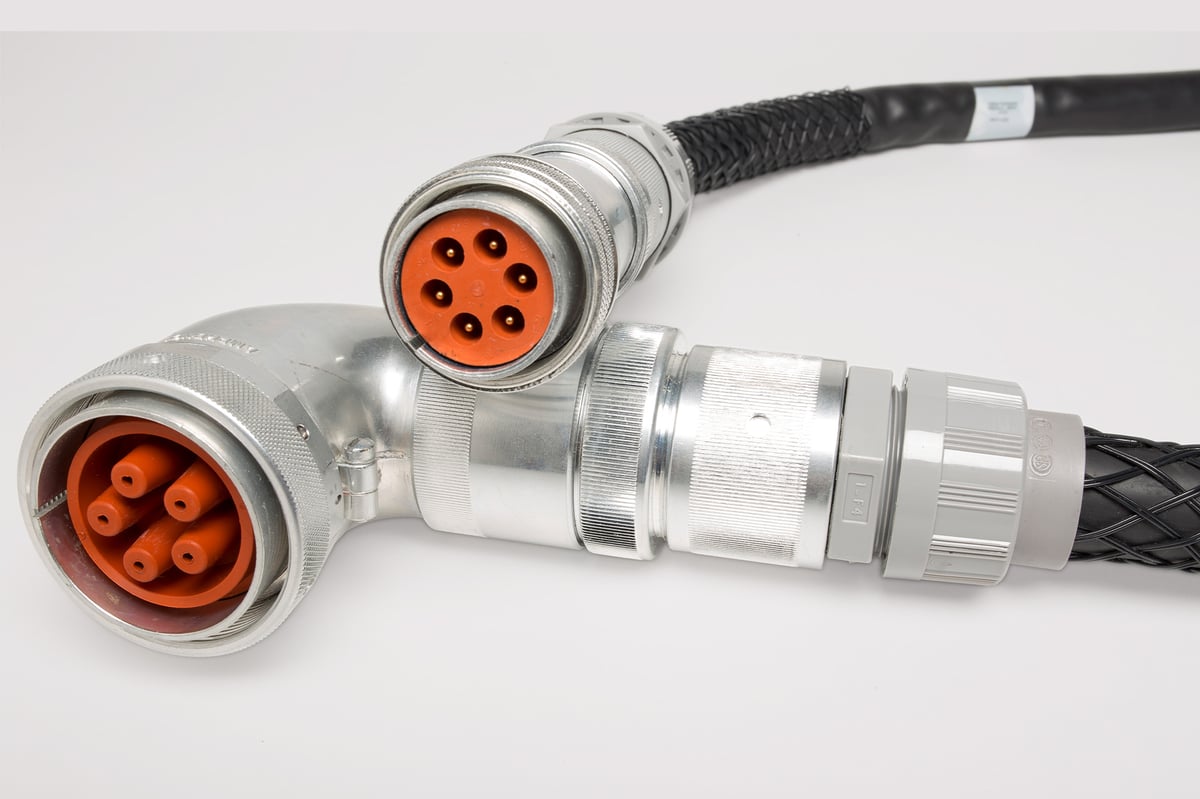
16 Series — additional views
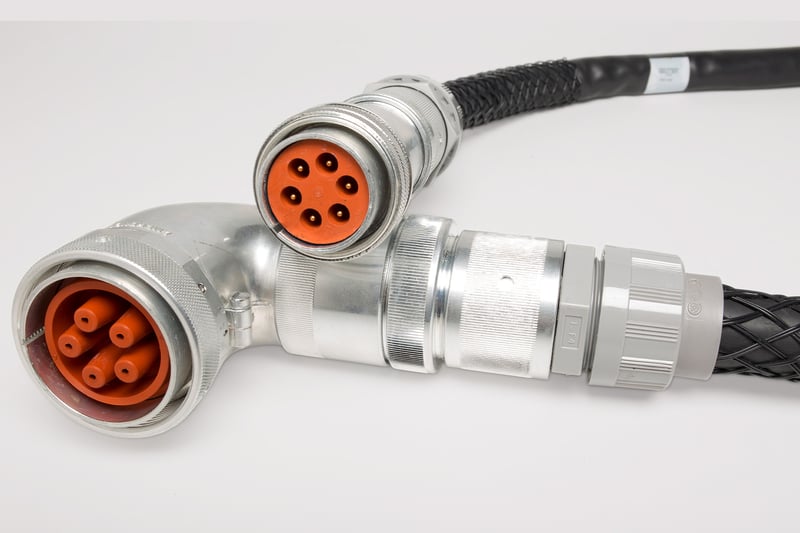
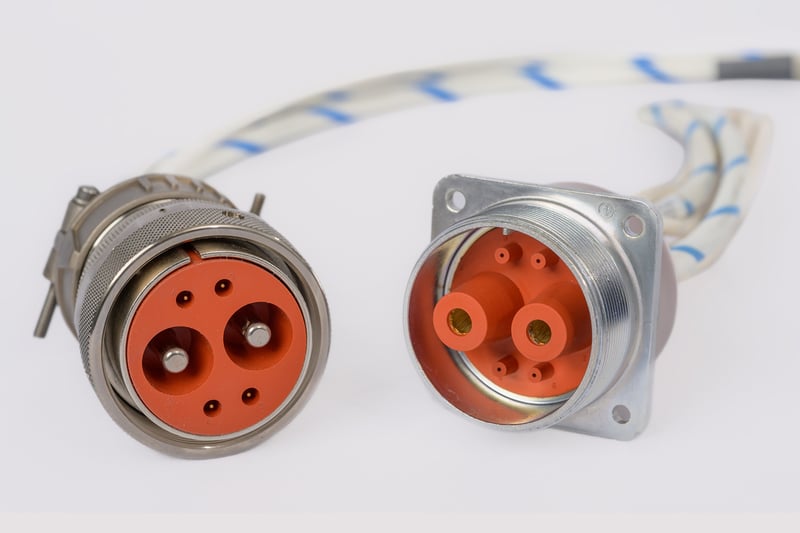
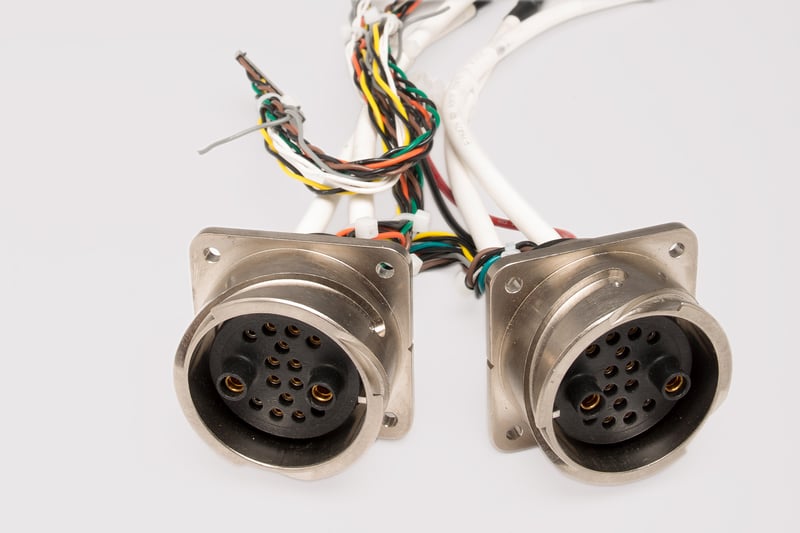
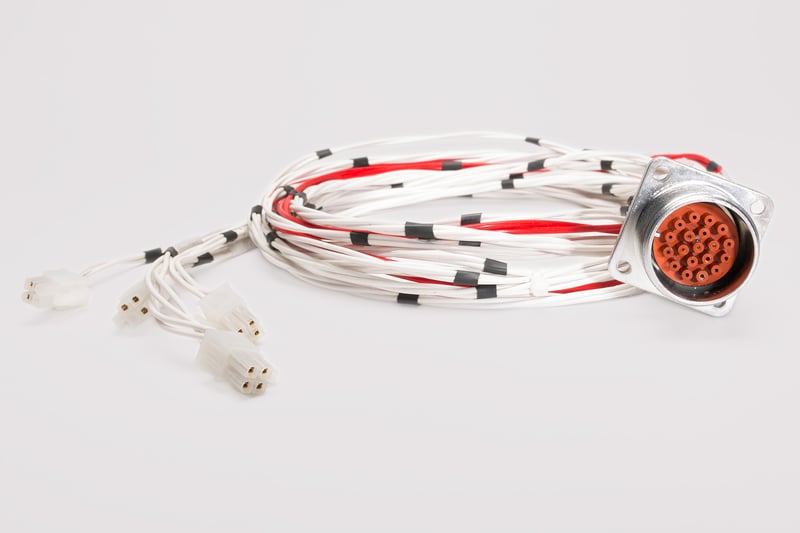
The only platform supporting multi-conductor and hybrid HV configurations
The 16 Series was developed for systems requiring multiple conductors or hybrid power-and-signal circuits within a single high-voltage interface. Where other series support single-conductor configurations, the 16 Series allows complex electrical systems to be integrated within a single connector body while maintaining controlled insulation spacing and stable electrical performance across all conductors.
This makes the 16 Series the right choice when consolidating multiple high-voltage connections into a single interface, or when power delivery and control signals must share a connector without compromising electrical isolation.
Typical capability
| Parameter | Typical Capability |
|---|---|
| Operating voltage | Up to 60 kV DC (configuration dependent) |
| Dielectric withstand | Configuration dependent |
| Corona / partial discharge | Controlled through insulation geometry |
| Current rating | Up to 85 A depending on configuration |
Electrical capability varies depending on conductor selection, insulation architecture, and operating environment.
Multi-conductor insulation architecture
| Element | Description |
|---|---|
| Conductor interface | Semi-conductive layer applied over each conductor |
| Primary insulation | Silicone insulation on each individual conductor |
| Insert insulation | Molded silicone (A-A-59588, Class 2B) |
| Termination insulation | Vacuum-applied RTV silicone potting |
| Shielding | Conductive shield referenced to ground when specified |
| Field grading | Combination of insert geometry, insulation thickness distribution, molded termination geometry, and RTV-filled interfaces |
| Interface control | Tapered mating geometry designed to displace air and create a continuous dielectric path between plug and receptacle |
Electric field stress is managed using molded insulation geometry, stress control materials, and a tapered conical mating interface. When mated, the conical interface displaces air and forms a continuous solid dielectric path between the plug and receptacle, eliminating air gaps that could otherwise support corona inception or partial discharge.
Operating environment
| Parameter | Rating |
|---|---|
| Operating temperature | -55 to +125°C |
| Altitude capability | Rated values maintained to 70,000 ft |
| Chemical exposure | Application dependent — material compatibility based on insulation system |
| Humidity | Application dependent |
| IP rating | Not specified unless required by program |
Four conductor arrangement types
The 16 Series is the only platform in the Caton family that supports multi-conductor and hybrid arrangements within a single connector interface.
How the 16 Series manages multi-conductor HV risk
Multi-conductor high-voltage assemblies introduce additional engineering complexity — each conductor must be individually controlled while the complete interface maintains stable electrical performance.
Adjacent conductors at different potentials can create field concentration between them, leading to insulation stress and partial discharge.
Semi-conductive layers over each conductor and controlled insulation spacing manage field distribution between conductors throughout the connector interface.
When high-voltage and signal conductors share an interface, inadequate isolation creates risk of signal corruption or insulation breakdown.
Molded insert geometry and controlled insulation thickness distribution maintain electrical isolation between high-voltage and signal circuits within the same connector body.
Multi-conductor terminations are prone to air voids in potting material — trapped air becomes a site for partial discharge under operating voltage.
Vacuum-applied RTV silicone potting eliminates voids — the vacuum process ensures complete fill of all cavities before cure.
Working directly with system designers
Caton engineers work directly with system designers to evaluate connector interfaces, cable insulation systems, and termination structures — ensuring the assembly performs reliably under real operating conditions. Because Caton manufactures both the cable assembly and connector interface, our team can evaluate the complete high-voltage interconnect system rather than individual components.