
17 Series High-Voltage Connectors
A mechanically robust high-voltage cable assembly platform designed for systems requiring both reliable electrical performance and structural integrity under demanding operating conditions. Operating up to 60 kV DC with conductive shielding standard.
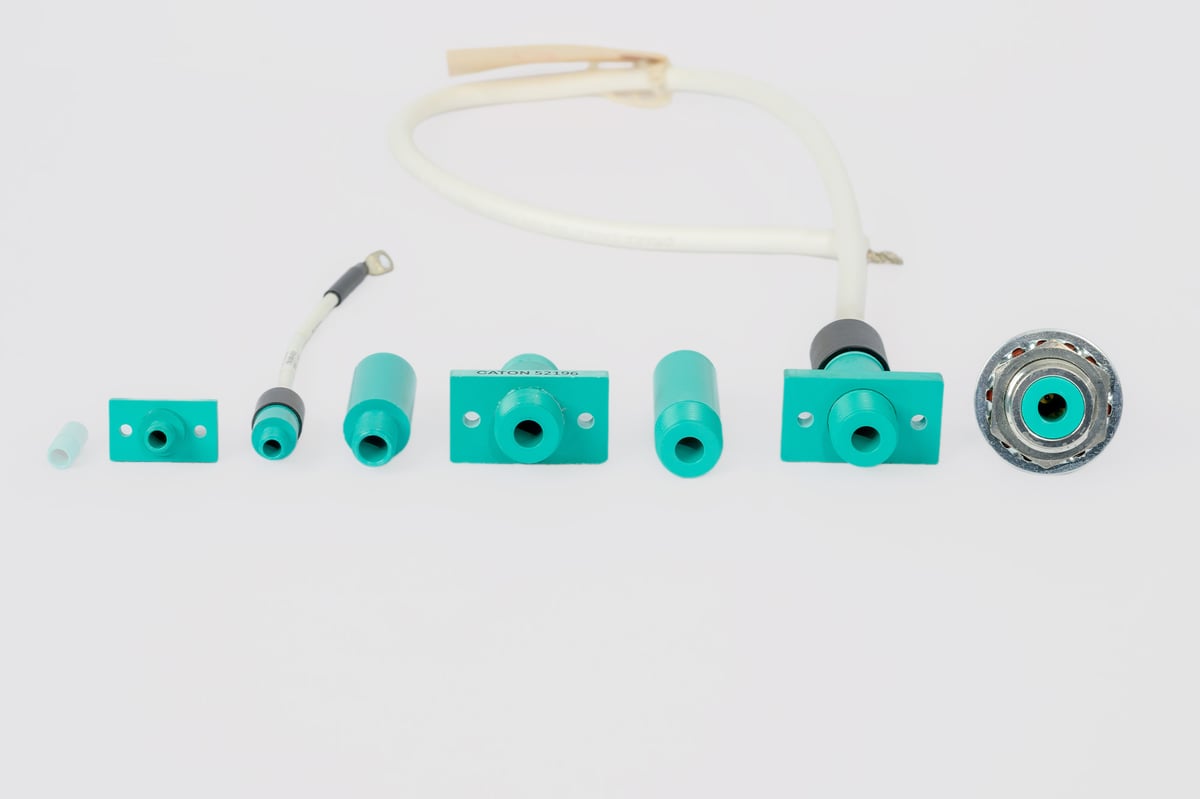
17 Series — additional views
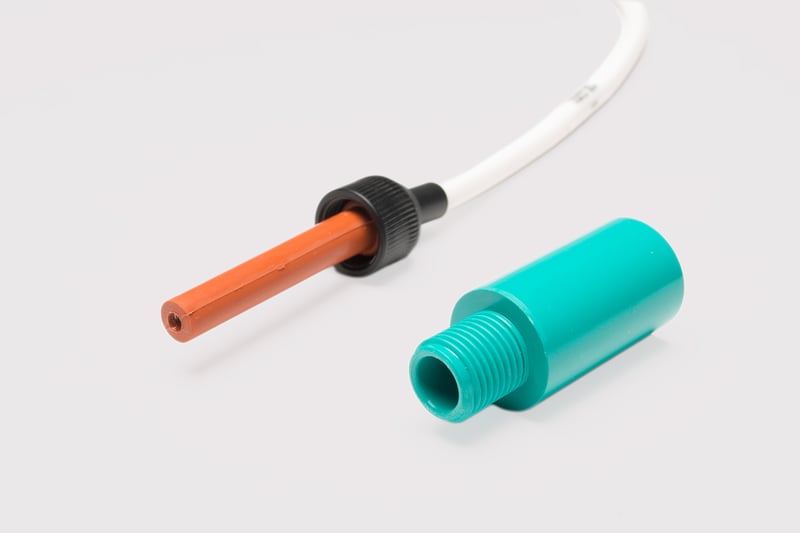
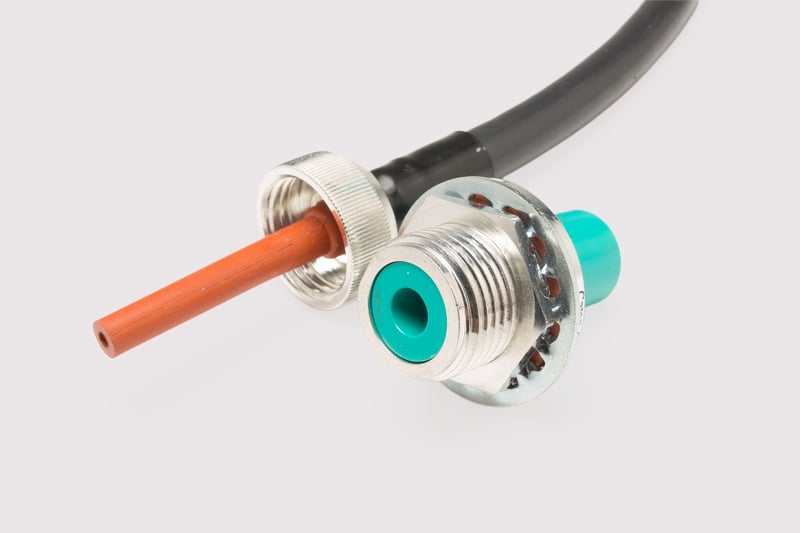
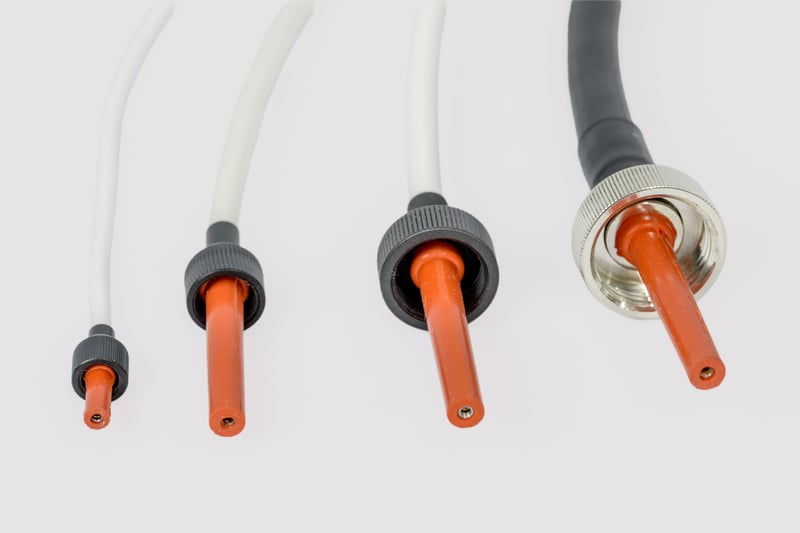
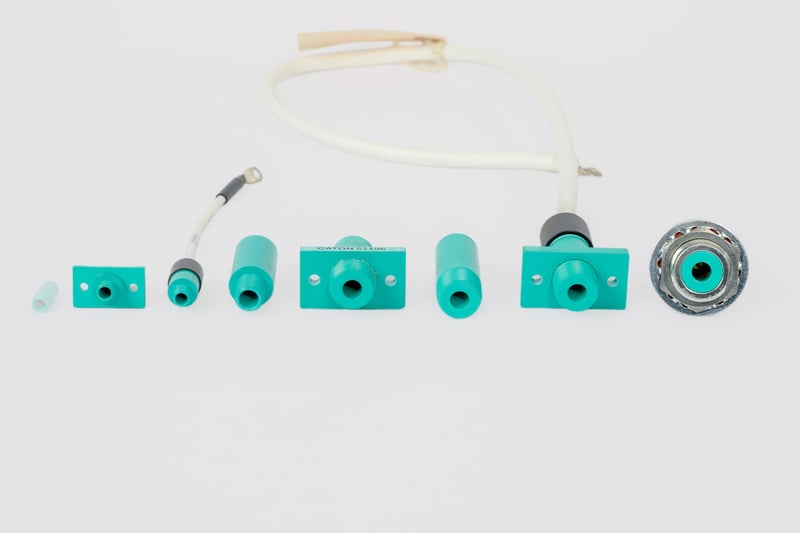
Built for demanding environments where mechanical integrity matters as much as electrical performance
The 17 Series platform was developed for high-voltage systems requiring a mechanically robust connector interface combined with controlled insulation geometry. Where the 14 Series prioritizes compactness, the 17 Series prioritizes structural durability — making it the right choice for aerospace and industrial applications where the assembly must withstand vibration, mechanical stress, and demanding environmental conditions while maintaining stable electrical performance.
Conductive shielding referenced to ground is standard on the 17 Series, providing EMI protection that single-conductor unshielded platforms cannot offer.
Typical capability
| Parameter | Typical Capability |
|---|---|
| Operating voltage | Up to 60 kV DC |
| Dielectric withstand | Configuration dependent |
| Corona / partial discharge | Configuration dependent |
| Current rating | Up to 26 A depending on configuration |
Electrical capability varies depending on conductor selection, insulation architecture, and operating environment.
Insulation architecture
| Element | Description |
|---|---|
| Primary insulation | Silicone rubber per A-A-59588 |
| Shielding | Conductive shield referenced to ground |
| Field grading | Combination of molded geometry and tapered conical interface that controls electric field stress and eliminates air gaps at the mating interface |
| Termination insulation | Overmolded silicone structure forming the termination insulation system |
| Interface control | Tapered mating geometry designed to displace air and create a continuous dielectric path between plug and receptacle |
| Receptacle insulation | Thermoset diallyl phthalate |
Electric field stress is managed using molded insulation geometry, stress control materials, and a tapered conical mating interface. When mated, the conical interface displaces air and forms a continuous solid dielectric path between the plug and receptacle, eliminating air gaps that could otherwise support corona inception or partial discharge.
Operating environment
| Parameter | Rating |
|---|---|
| Operating temperature | -55 to +125°C |
| Altitude capability | Rated values maintained to 70,000 ft |
| Chemical exposure | Application dependent — material compatibility based on insulation system |
| Humidity | Application dependent |
| IP rating | Not specified unless required by program |
Assembly arrangements
The 17 Series is available in multiple voltage classes and assembly arrangements, allowing integration into a range of high-voltage platforms.
How the 17 Series manages HV assembly risk
Unshielded high-voltage assemblies can radiate or couple electromagnetic interference into adjacent signal circuits — a critical concern in aerospace and research platforms.
Conductive shield referenced to ground is standard — providing EMI protection across the full assembly, not just at the connector interface.
Vibration, mechanical cycling, and thermal expansion can degrade connector interfaces over time — creating insulation movement and field instability that wasn't present at qualification.
Mechanically robust connector interface and thermoset diallyl phthalate receptacle insulation maintain dimensional stability under mechanical and thermal stress.
Mechanical stress or thermal cycling can cause air gaps to reform at the mating interface — re-introducing conditions for corona inception.
Screw mating geometry maintains consistent interface pressure — preventing air gap reformation under mechanical and thermal loading.
Working directly with system designers
Caton engineers work directly with system designers to evaluate connector interfaces, cable insulation systems, and termination structures — ensuring the assembly performs reliably under real operating conditions. Because Caton manufactures both the cable assembly and connector interface, our team can evaluate the complete high-voltage interconnect system rather than individual components.